
Table of Contents
- Introduction
- The History of Summerville
- Engines of Growth in Summerville: Ports, Planes, Cars, and Data
- Master-Planned Communities in Summerville
- The Google Effect: Tech Growth and Long-Term Investment in Summerville
- Culture, Arts, and Hollywood’s Influence on Summerville
- What Living in Summerville, SC Feels Like Today
- Summerville Winners, Losers, and Honest Tradeoffs
- What the Next Decade Might Bring for Summerville SC
- Should You Move to Summerville, SC? Key Considerations
- Key Takeaways for Anyone Considering a Move to Summerville
- FAQs About Living in Summerville, SC
Introduction
If you are thinking about moving to Summerville, SC, you are not just choosing a house. You are choosing a community that has been actively repositioned by major infrastructure projects, large corporate investments, and deliberate master planning — and those forces have reshaped daily life in tangible ways. Over the last two decades Summerville stopped being the sleepy "flower town in the pines" and became the Low Country's boom town, a regional hub sitting between ports, manufacturing, aviation, and growing tech and data‑center campuses. That shift affects everything: commutes vary wildly by neighborhood (a short drive in one part of town can become a long slog in another), home values have climbed as demand outpaces supply, and new schools and clinics are constantly being added but tend to fill quickly. It also means more choices — walkable mixed‑use villages, golf‑cart friendly neighborhoods, active‑adult developments, and large master‑planned communities with on‑site retail and parks — which bring conveniences and a busier tempo, plus new restaurants, shops, and entertainment options.
The tradeoffs are real: increased traffic, rising property taxes in some areas, and a loss of the town's quieter intimacy for those who long for it. If you’re considering a move, treat it as more than a real‑estate transaction: map commute routes, check school attendance zones, visit neighborhoods at rush hour and on weekends, and talk to a local agent who understands how these regional job centers and master plans interact with micro‑neighborhood realities. Ultimately, moving to Summerville means buying into a story of long‑term growth and changing lifestyle — so be deliberate about which chapter of that story you want to live in.
The History of Summerville
For generations, Summerville was the quiet alternative to Charleston: a railroad town known for dry air, azaleas, and an annual festival where neighbors knew each other by name. Change was slow and predictable until the 21st century accelerated everything.
Consider the numbers: from 2000 to 2023 Summerville's population rose nearly 87 percent. Today the town footprint reaches roughly 51,000 people and, depending on how you draw the metro area, more than 70,000 across Dorchester, Berkeley, and Charleston counties. Growth at that scale does not come from "discovering" a cute town. It comes from major employers and pipelines of jobs and housing.
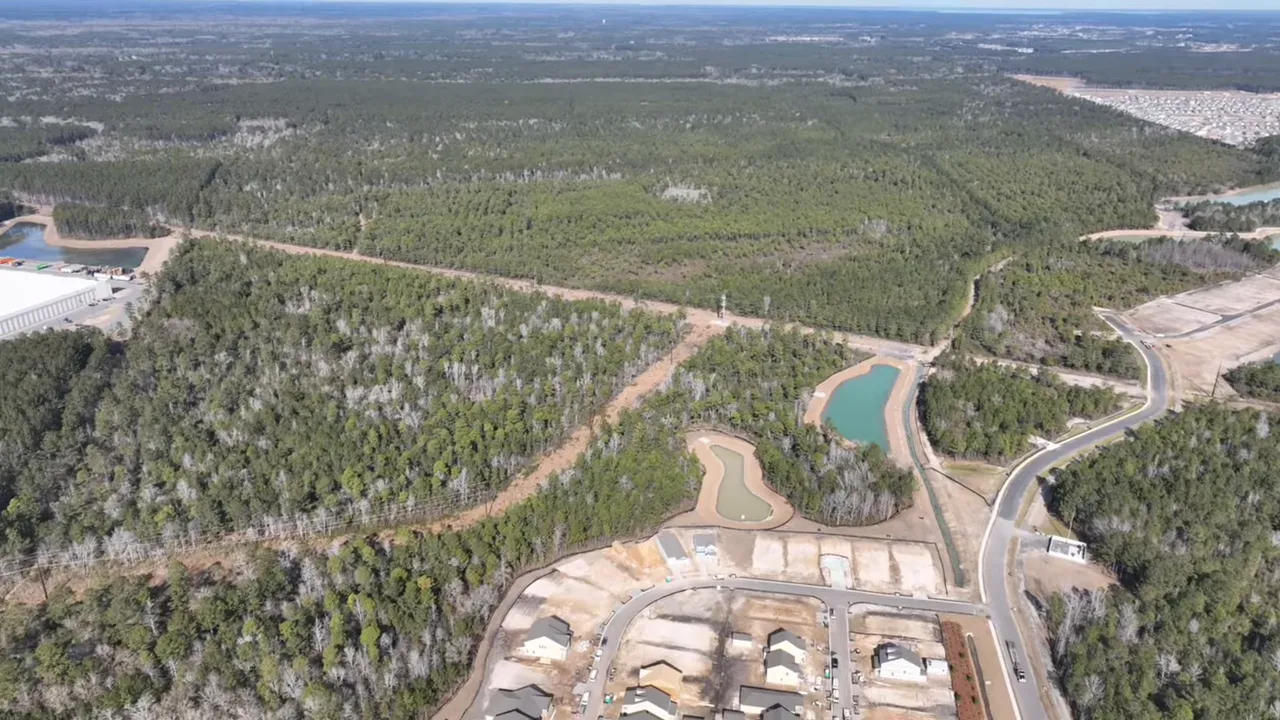
Engines of Growth in Summerville: Ports, Planes, Cars, and Data
Summerville sits in a geometric sweet spot. Imagine a triangle with Charleston and North Charleston to the southeast, Volvo and industrial expansion to the northwest, and Google data centers dotting Berkeley and Dorchester counties. Summerville sits in the middle of those spokes, which is why it has become the living room for the region's workforce.
Ports and logistics started the modern tide. The Port of Charleston handled roughly 2.6 million containers in 2023 and continued to grow into fiscal 2025. More cargo means more distribution centers along I-26. More distribution centers create trucking, warehousing, and logistics jobs that want an affordable bedroom community within a short drive. Summerville checks that box.
Aviation and manufacturing turned the dial further. Boeing's Dreamliner plant in North Charleston expanded heavily and announced a big 2024 expansion to hit higher production rates. When thousands of engineers, mechanics, and support staff need homes with good schools and newer construction, they look for value—and that brings them to Summerville.
Over toward Ridgeville, Volvo invested more than $1.3 billion to scale production, tying more long-term jobs to the region. A large plant producing tens of thousands of vehicles annually creates steady demand in the housing market. Again: Summerville is in the sweet spot between these job centers.
Master-Planned Communities in Summerville
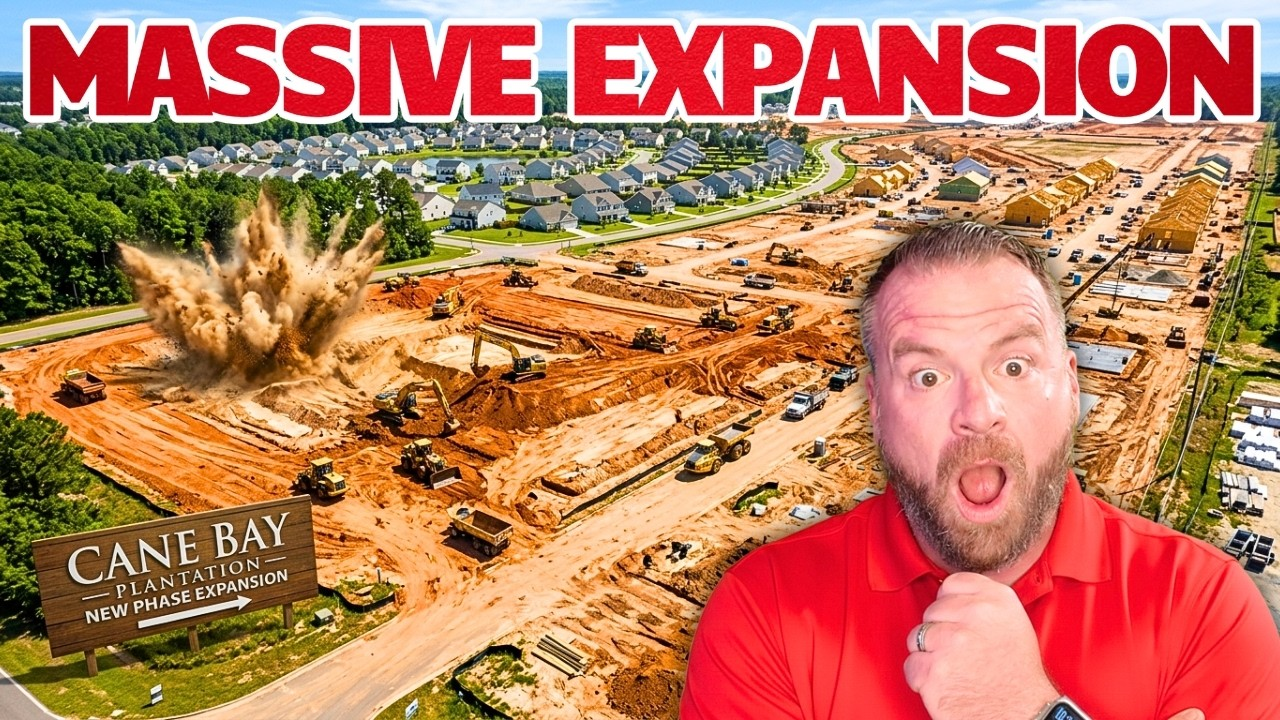
Builders reacted fast. Rather than scattered subdivisions, developers created comprehensive master plan communities with everything under one umbrella: housing, retail, schools, parks, and walking trails. Nexton, Cane Bay, and King's Crossroads are examples of this wave—satellite neighborhoods that function like small cities.
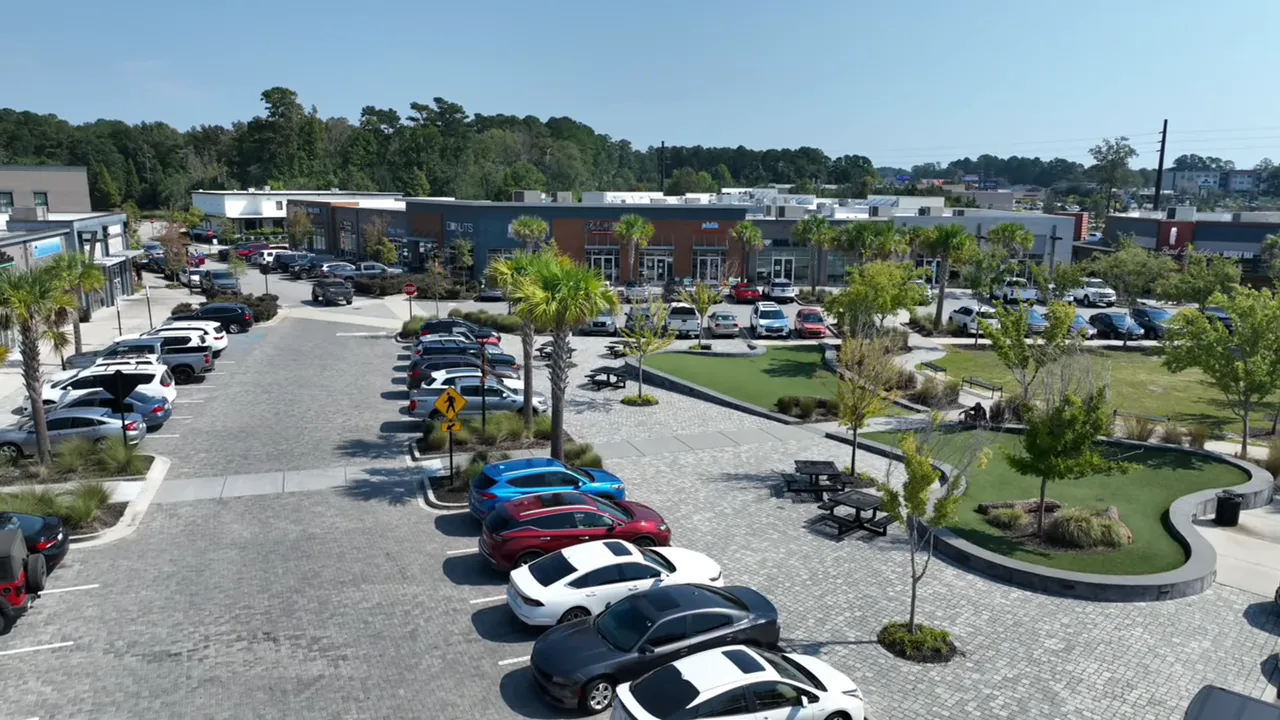
Nexton is instructive. By 2021 it had surpassed 2,000 home sales and kept expanding commercial, retail, and mixed-use space. As of mid 2025 Nexton reports more than 12,000 residents across single-family homes, townhomes, apartments, senior living, and significant retail and office presence. Those communities come with their own daily rhythms and traffic patterns, and collectively they restructured how people live around Summerville.
That pattern explains why living in Summerville now might mean living in a walkable Nexton village one week and a golf cart–friendly Cane Bay neighborhood the next. Developers built lifestyle choices into the product: active adult communities, neighborhood town centers, and miles of trails.
The Google Effect: Tech Growth and Long-Term Investment in Summerville
In October 2025 Google announced a roughly $9 billion investment into South Carolina by 2027. That kind of capital changes expectations. It expands data center capacity in Berkeley County and adds two large campuses in Dorchester County. The effect is threefold: construction jobs now, permanent operations and tech jobs later, and a signaling effect that invites suppliers and service companies to settle here.
The company also committed to workforce training, promising apprenticeships for local tech and energy careers. In practice that creates a pipeline of workers who will seek housing within a 30 to 40-minute radius—another circle on the map that puts Summerville squarely inside the demand zone.
Big capital asks big questions about power, water, and environmental impact, and those debates are happening now. But from a housing and planning perspective, the takeaway is simple: long-term demand for housing within commuting distance of these data centers is real.
Culture, Arts, and Hollywood’s Influence on Summerville
Film and television helped polish the Low Country's brand. Movies and series that use Charleston and nearby locations as backdrops put the region in front of national and global audiences. When people see the live oaks, marshes, and historic streets they start Googling "living in Charleston" or "moving to Summerville, SC." That exposure brings tourists, influencers, and prospective relocators who move from interest to action.
What Living in Summerville, SC Feels Like Today
The big-picture drivers are important, but what you will experience day-to-day matters most if you are thinking about moving to Summerville, SC. Expect these realities.
1. Housing and home values
Demand has outpaced supply. Prices have climbed, though Summerville still offers more square footage for the money compared with Mount Pleasant or beach towns. That gap is shrinking. If you plan on moving to Summerville, SC you should have a clear buying strategy—market timing gambles are riskier here than trusting a predictable new build or master plan community.
2. Traffic and commute patterns
Doubling population without instantly upgrading arterial roads guarantees rush-hour headaches. I-26, Highway 78, and North Main are the main funnels; learning which intersections to avoid becomes part of your daily routine. When you choose a neighborhood, you are choosing a commute pattern. Think beyond the house price to the time cost of your daily drives.
3. Schools, healthcare, and services
New schools are being built, especially inside master plan communities, but they fill quickly. Parents should track attendance zones and magnet program availability. Healthcare systems are expanding, including a new MUSC campus announced for Nexton, but appointment wait times can be longer in some specialties. Planning ahead for routine care is practical.
4. Small businesses, restaurants, and community life
More rooftops mean more food trucks, coffee shops, gyms, and bars. Nexton's retail growth is a case study in rapid lifestyle change; Summerville's historic downtown has found new life as a weekend destination. The tradeoff is parking lines and busier weekends—but more options too.
Summerville Winners, Losers, and Honest Tradeoffs
Rapid transformation creates wealth and pain. If you bought a home in Summerville ten years ago, you may have substantial equity. That is a clear winner. It can hurt when property taxes rise or when longtime residents can no longer afford starter homes. New arrivals from higher-cost metros see value; local first-time buyers may feel priced out. The tension is real.
The lifestyle tradeoff is straightforward. You gain amenities, stronger schools, and career opportunities. You give up some of the old small-town intimacy. Neither outcome is morally superior; it just depends on what you want your daily life to look like.
What the Next Decade Might Bring for Summerville SC
If current investments continue—Google builds out, Volvo ramps up, Boeing hits production goals, and the port keeps expanding—the Low Country will look more connected to global trade and tech. Expect pressure on housing supply, more infill around older properties, and more mixed-use, vertical nodes in hubs like Nexton and Cane Bay.
Politically there will be fights over water, roads, school capacity, and development rules. From a housing perspective, the flow of capital appears long-term. That is why investors and buyers who are planning for decades view Summerville differently than short-term speculators.
Should You Move to Summerville, SC? Key Considerations
Short answer: it depends. If your priorities are space, newer construction, and commuting access to jobs in logistics, manufacturing, aviation, healthcare, or tech—and you want to capture long-term home equity—then moving to Summerville, SC is a smart play. If you want an ultra-quiet town where nothing changes and rush hour never appears, this is not that place anymore.
Practical steps if you are considering a move:
- Define your nonnegotiables: commute time, school requirements, home size, and lifestyle. If you're moving to Summerville, SC, that list will drive which master plan community or historic pocket suits you.
- Build a short list of neighborhoods and visit them at commute times to feel traffic patterns.
- Talk to a local agent who actually lives and works here for neighborhood-level intel and data-backed advice.
- If you need predictable inventory, consider new construction within the major master plan communities.
Ready to talk about moving to Summerville? Call or text Ryan McHugh anytime at 843-226-5535(day, nights, weekends). Or email BuyfromRyTeam@gmail.com and visit BuyfromRy.com to learn more and book a free consultation.
Key Takeaways for Anyone Considering a Move to Summerville
- Moving to Summerville, SC places you at the center of jobs created by ports, Boeing, Volvo, and major tech investments.
- Master plan communities have reshaped the region into satellite "small cities" with their own amenities and challenges.
- Traffic, schools, and services are under continual pressure, but infrastructure projects are in motion.
- The $9 billion tech investment signals long-term demand for housing within a 30 to 40-minute commute of data campuses, and Summerville sits in that circle.
You are not too late to the party. You are just catching it in the middle of the story.
FAQs About Living in Summerville, SC
Is Summerville a good place for families?
Yes. Families drawn to new schools, yard space, and master plan community amenities find Summerville attractive. Be mindful that schools built now fill quickly; check attendance zones and upcoming school projects before committing.
How long is the commute from Summerville to Charleston?
Commute times vary by neighborhood and time of day. Many places within Summerville sit 30 to 45 minutes from central Charleston under normal traffic; during peak hours some trips can reach 50 to 60 minutes. Choose a neighborhood based on your work location and willingness to trade time for space.
Will home prices drop if there's an economic slowdown?
The market is different from a one-off boom. Multiple large employers and long-term investments create sustained demand. While short-term corrections are possible, the structural drivers suggest continued pressure on supply and upward value trends over the long run.
What neighborhoods should I consider if I am moving to Summerville, SC?
Top areas to research include Nexton for walkable mixed-use living, Cane Bay for golf-cart and lake lifestyles, King's Crossroads for newer subdivisions near job corridors, and Summer's Corner for more traditional suburban living. Each offers different amenities and commute realities.
How does the Google investment affect housing?
Large data center investments bring construction jobs immediately and operational and tech jobs later. They also create supplier and vendor opportunities, which grow local employment. That results in sustained housing demand within commuting distance, including Summerville.
Is Summerville still a small town?
The historic core retains small-town charm, but the broader Summerville footprint now includes multiple fast-growing master plan communities that feel like small cities. Expect a mix of quiet neighborhoods and bustling new town centers.
Read More: Top Summerville Sc Neighborhoods for Families: A Practical Guide for 2026