
If you are moving to Summerville SC, you probably already know the town is charming, historic, and growing fast. That growth brings opportunity, but it also brings a few hard lessons most newcomers learn the expensive way. Below is a practical guide that lays out the biggest mistakes people make when moving to Summerville SC, how to avoid them, and a checklist you can use the minute you start house hunting.
Table of Contents
- Quick overview
- 1. Expect traffic
- 2. Flood zones
- 3. HOAs vary wildly
- 4. School zones affect value
- 5. Summerville is not Charleston
- Neighborhood notes: where congestion, schools, and style differ
- Move-in checklist for anyone moving to Summerville SC
- Final thoughts about moving to Summerville SC
Quick Overview
Summerville is not a tiny suburb you can learn in one visit. It stretches across several zip codes and wildly different neighborhoods — older, tree-lined sections sit beside rapidly built developments — so moving to Summerville means more choices and more variables to vet. Parts of town feel rural while others feel like a small city, and the local vibe, traffic, school assignments, and even flood risk can change block by block. Whether you love the town or find yourself regretting the move often comes down to how much homework you do beforehand.
1. Expect Traffic
One of the biggest surprises for people moving to Summerville SC is the traffic. Growth has exploded commuter traffic along the major corridors: I-26, Main Street, Berlin G Meyers Parkway, Nexton Parkway, and Cane Bay Boulevard. If you commute to Charleston, Mount Pleasant, James Island, or Johns Island, plan for delays.
I-26 used to be a 30-minute hop to Charleston. Those days are gone during rush hour. Morning and evening peak times regularly extend commutes into an hour or more. The bottlenecks at Main Street and Berlin G Meyers Parkway can slow you down even inside town. New developments only make this worse until road upgrades are finished.

How to avoid this common mistake when moving to Summerville SC:
- Test-drive your commute at actual peak times. Leave at 7:45–8:15 a.m. and 4:45–5:30 p.m. and drive the exact route you would take to work.
- Use Waze or similar apps to learn alternate routes and auto-reroutes in real time.
- Consider neighborhoods near alternate roads such as Jedburg Road, Sheep Island Road, or areas closer to Highway 61 if you want to avoid I-26 as much as possible.
- Understand neighborhood differences. Newer developments like Cane Bay and Nexton generally have more congestion than older parts of town.
2. Flood Zones
Flood risk in the Lowcountry is real. When moving to Summerville SC, many people underestimate how flood zones and flood insurance can affect their budget and peace of mind. A home can be in a preferred flood zone yet still have a history of flooding after an extreme storm.
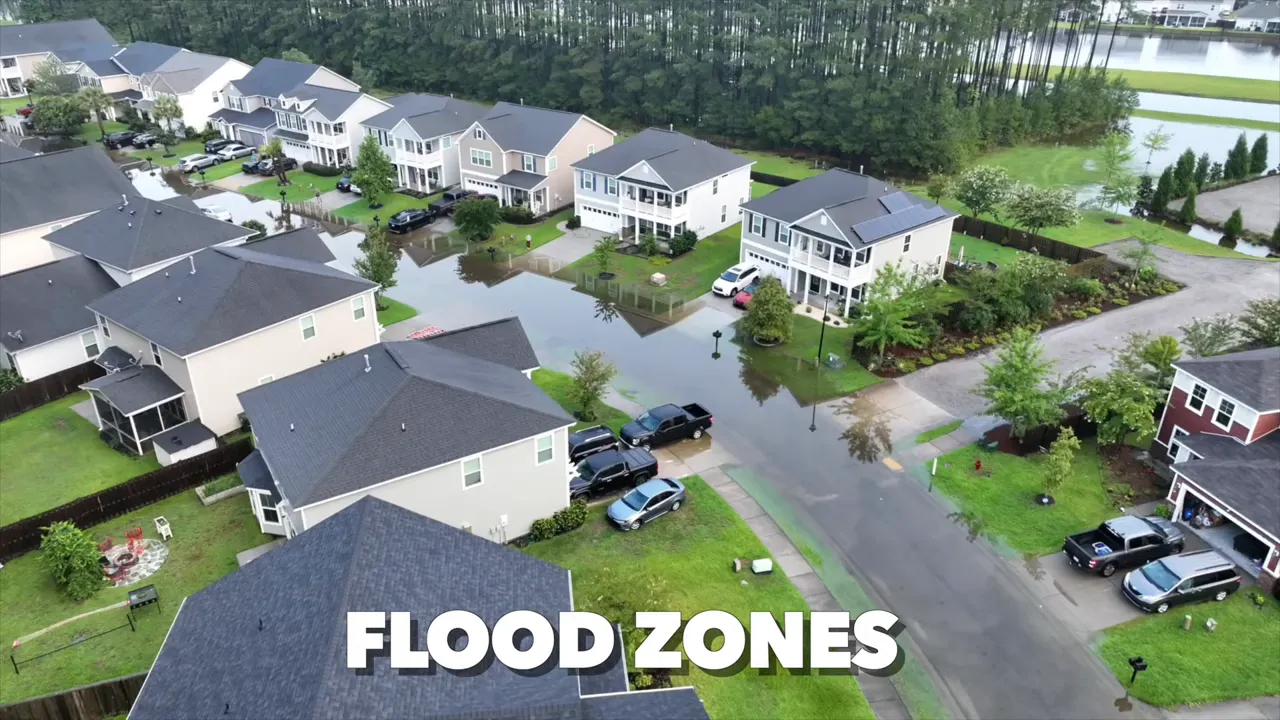
What you need to know:
- Check FEMA flood maps for every property you consider.
- Flood insurance premiums can vary widely — from roughly $500 a year for low-risk properties to $2,000+ a year for higher-risk locations.
- If your mortgage lender requires flood insurance, be prepared for the monthly or annual cost to be added to your housing budget.
- You cannot buy flood insurance for a past event. Policies do not get backdated — if a storm is approaching and you try to buy coverage, it will not apply to that event.
Pro tip: request a CLUE report (Comprehensive Loss Underwriting Exchange) during due diligence. A CLUE report shows previous insurance claims on the property and may reveal past flooding or damage that the seller does not disclose.
3. HOAs Vary Wildly
Homeowners associations are not created equal. When moving to Summerville SC, one of the most common regrets comes from not reading HOA covenants and restrictions before closing. HOA fees can be minimal — under $100 a year — or substantial — $1,500 to $2,000+ yearly — depending on amenities, water access, and community type.

Don’t assume the HOA you had in another state operates the same way here. Rules about paint colors, rocking chairs, boat parking, fence materials, and short-term rentals vary dramatically. Some associations enforce rules with mild warnings; others issue fines quickly and follow up with liens.
Common HOA surprises when moving to Summerville SC:
- Unexpected move-in or capital contribution fees (some neighborhoods charge a one-time “welcome” fee around $1,000–$2,000).
- Short-term rental bans — many HOAs prohibit Airbnb-style rentals.
- Strict aesthetic standards that can lead to fines for things like furniture color or lawn maintenance.
- Special assessments for community repairs or improvements.
How to avoid HOA pitfalls:
- Request the HOA documents(covenants, bylaws, recent meeting minutes, and current budget) before finalizing an offer.
- Read the fine print about rentals, boats, fences, and exterior colors.
- Ask about enforcement — some HOAs are relaxed; others are strict and actively patrol violations.
- Check neighborhood Facebook groups to see how residents and the HOA interact in real life.
4. School Zones Affect Value
Even if you don’t have children, school zones and the perception of schools influence resale value. If you do have kids, this is critical. Moving to Summerville SC without researching school districts is a mistake many buyers regret.

What to check:
- Which school district and specific schools are assigned to the address right now.
- Whether future rezoning is planned — developers and new neighborhoods can change attendance boundaries.
- Charter and private school options in Berkeley, Dorchester, and surrounding counties.
- Ratings and parent reviews on sites like greatschools.org and niche.com, but always visit the school in person.
A practical example: parts of Cane Bay were rezoned during build-out, which frustrated families who expected different assignments. Rezoning happens and sometimes improves options, but you should be prepared and informed.
5. Summerville is Not Charleston
A common misconception for people moving to Summerville SC is thinking it’s simply “Charleston’s backyard.” It is not. Summerville offers a slower-paced, suburban small-town vibe. Downtown Summerville is charming and compact, but it does not have Charleston’s extensive coastal scene, beachfront access, or late-night city energy.
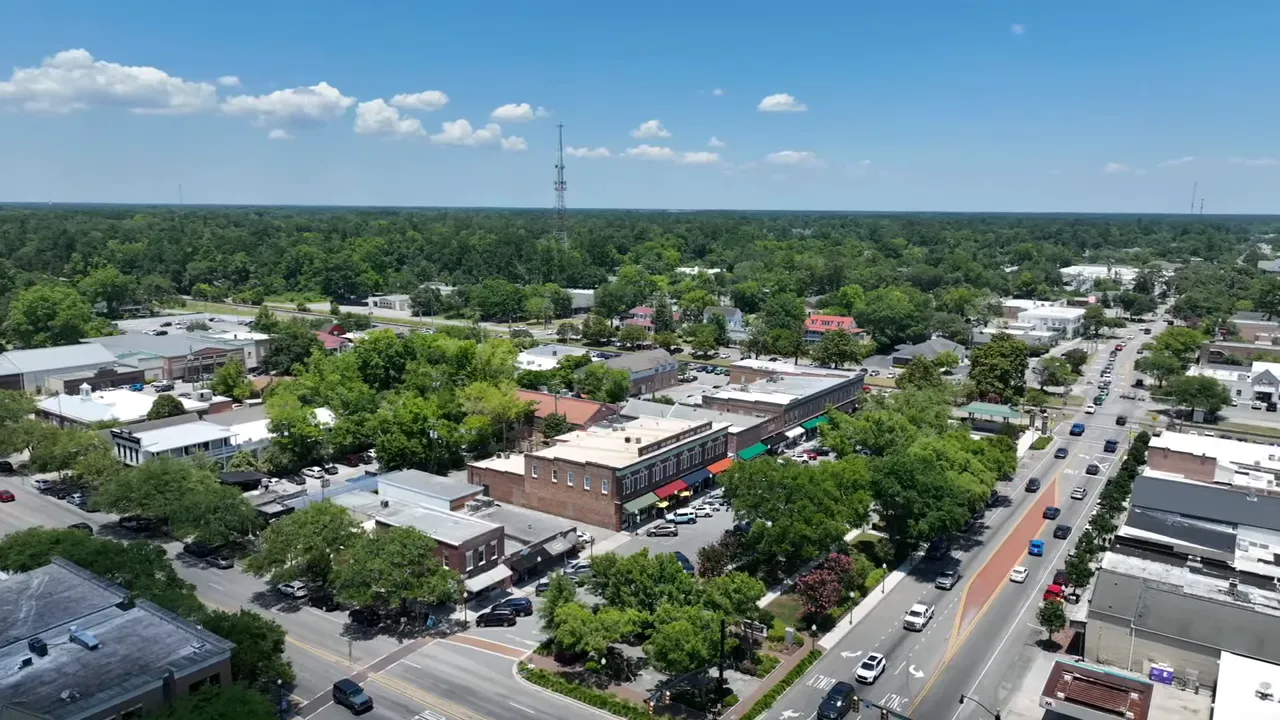
Ask yourself honestly:
- Do you want quick beach access and city nightlife? Charleston or Mount Pleasant might be a better fit.
- Do you prefer affordability, yard space, and a family-friendly, small-town rhythm? Summerville is likely a great fit.
- How important is drive time to entertainment, dining, and work? Factor commuting into your lifestyle plan when moving to Summerville SC.
Neighborhood Notes: Where Congestion, Schools, and Style Differ
Not every part of Summerville feels the same. Below are a few neighborhood-style notes to help you narrow options when moving to Summerville SC.
- Nexton and Cane Bay — newer buildouts with modern amenities. Expect more traffic, especially during peak hours.
- Older Summerville neighborhoods — often quieter, less congestion, mature trees, and established community feel.
- Areas near the Ashley River or wetlands — check flood maps and insurance requirements carefully.
- Outlying areas near Highway 61 or Jedburg Road — may offer easier alternative routes to Charleston without relying only on I-26.
Move-in Checklist for Anyone Moving to Summerville SC
Use this checklist while touring homes or before signing a contract. It will save time, money, and headaches.
- Drive the commute to your workplace at rush hour, both directions.
- Check FEMA flood maps and ask for a CLUE report to reveal past claims.
- Request full HOA documents before making an offer: covenants, bylaws, budgets, and meeting minutes.
- Confirm any move-in/assessments or capital contribution fees with the HOA.
- Research current school assignments and any planned rezoning for the neighborhood.
- Join neighborhood social groups to see how HOAs enforce rules and how residents interact.
- Budget for flood insurance if applicable and add it into your total housing cost estimate.
- Visit the community at different times — weekend afternoons, weekday mornings, and weekday nights to sense traffic and noise levels.
Ready to tour homes or have questions about neighborhoods, schools, flood risk, or HOAs? Call or text Ryan McHugh anytime — Day/Nights/Weekends: 843-226-5535. You can also email: BuyfromRyTeam@gmail.com.
Final thoughts about moving to Summerville SC
Summerville offers a wonderful balance of affordability, history, and community. But it is growing fast, and that growth brings growing pains: heavier traffic, changing school lines, and tougher HOA enforcement in certain places.
If you are moving to Summerville SC, preparation beats regret every time. Test the commute, check flood risks, read HOA documents, and verify school zones. Do that, and the chances you love where you live go way up.
How bad is traffic if I move to Summerville SC and commute to Charleston?
Expect peak-hour delays on I-26 and at major intersections. Commuting times can range from 30 minutes in light traffic to 60–90 minutes during rush hour. Test driving your route at peak times and using Waze to find alternates will give you a realistic picture.
Do I always need flood insurance when moving to Summerville SC?
Not always, but it depends on the FEMA flood zone. Properties in high-risk areas typically require it. Even properties in preferred zones can have flood history, so check maps and request a CLUE report. Flood insurance cannot be backdated; buy it before storms or before closing if required.
How do I find out HOA rules before buying in Summerville SC?
Ask the seller or listing agent for the full HOA package (covenants, restrictions, bylaws, budgets). Review them carefully for rental rules, pet policies, paint and exterior restrictions, and any move-in fees or special assessments. Neighborhood Facebook groups can also provide real-world enforcement examples.
Are all schools in Summerville the same quality?
No. Schools vary by district and neighborhood. Use resources like greatschools.org and niche.com for ratings, but visit schools in person. Also ask about potential rezoning that could change assignments after you move in.
Is Summerville basically the same as living in Charleston?
No. Summerville is suburban and small-town in feel. It does not offer the same coastal and nightlife scene as Charleston. If you want a slower pace, more space, and lower cost, Summerville fits well. If you want beaches and a fast-paced urban lifestyle, consider Charleston or Mount Pleasant instead.
Moving to Summerville SC can be one of the best decisions you'll make if you do the homework. Prepare for traffic, understand flood risk, read HOA fine print, research schools, and pick a neighborhood that fits your lifestyle. That preparation is the difference between loving your new home and having buyer's remorse.
If you keep this guide handy while touring properties, you will avoid common traps and find the place that fits your family, your commute, and your budget.