
Table of Contents
- Introduction: Living in Summerville, SC in 2025
- Cons of Living in Summerville, SC
- Pros of Living in Summerville, SC
- Resident Frustrations in Summerville, SC
- How to Decide if Summerville, SC Is Right for You
- FAQs About Living in Summerville, SC
- Parting Thought: Should You Move to Summerville, SC?
Introduction: Living in Summerville, SC in 2025
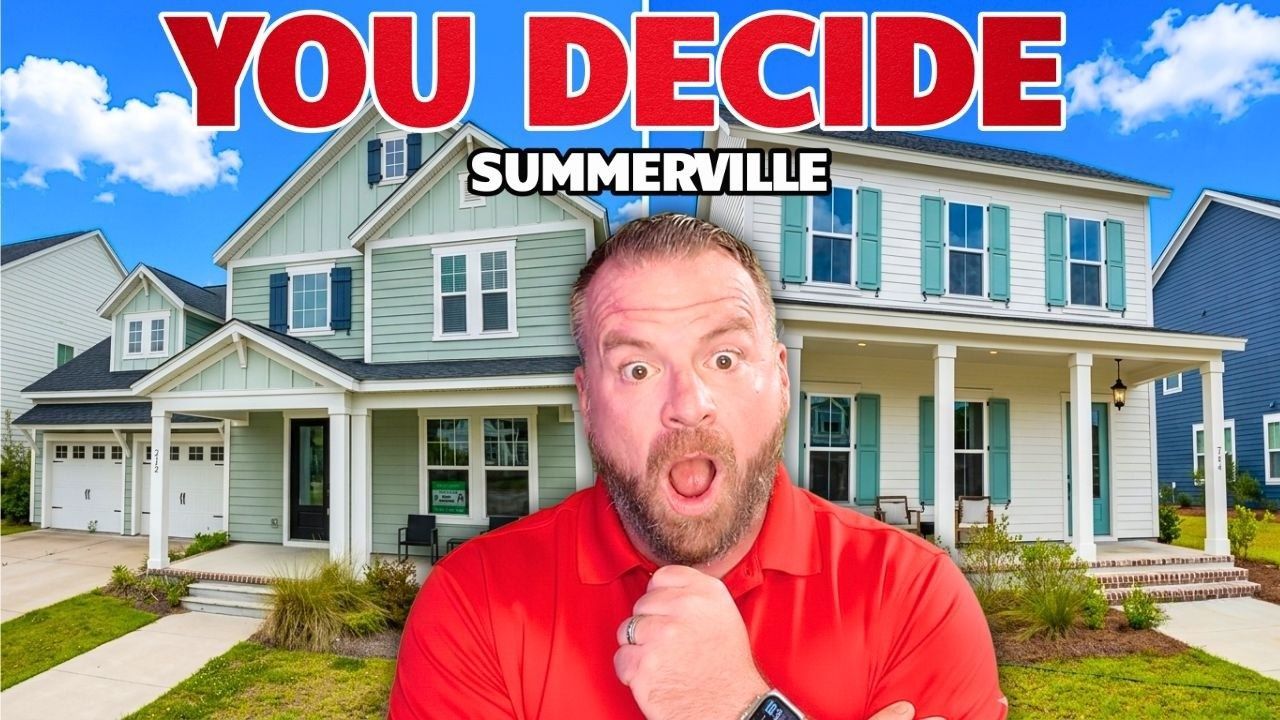
Moving to a new town is the kind of decision that pushes every box on your checklist: schools, commute, lifestyle, housing costs, and that hard-to-name feeling of whether you'll fit in. Summerville, South Carolina, attracts a lot of attention because it checks many of those boxes. But it is not perfect. Below you'll find a frank, neighborhood-level look at the pros and cons of living in Summerville in 2025, practical trade-offs to weigh, and a straight-shooting checklist to help you decide.
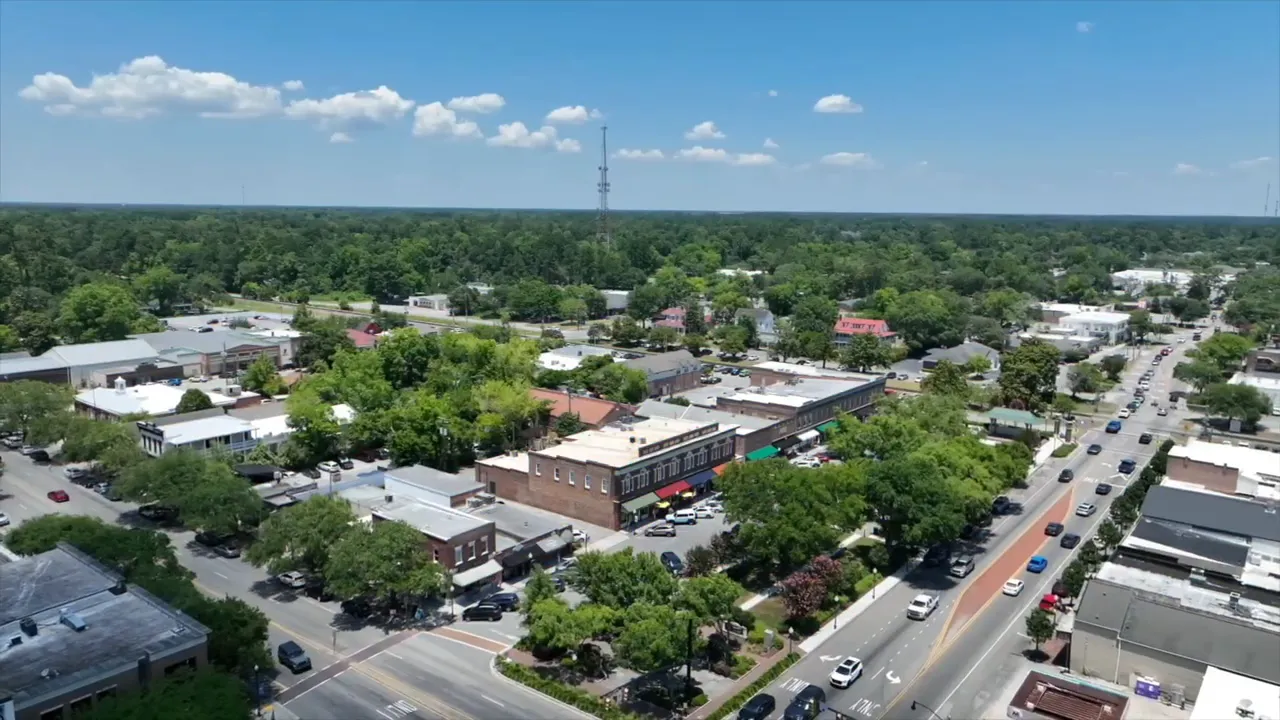
Why this matters: Summerville sits close enough to Charleston to enjoy city benefits while offering lower housing costs and a more suburban pace. But rapid growth has created real frustrations—especially for commuters and anyone who cares about architectural variety.
VIEW HOMES FOR SALE IN SUMMERVILLE SC
Cons of Living in Summerville, SC
Traffic and commute times
If you plan to commute, traffic is the first, and for many the largest, downside. Depending on your neighborhood it can take 15 to 20 minutes just to get out of your subdivision, another 15 to reach I-26, and then 30–40 minutes—or much longer—to reach downtown Charleston. A minor fender bender on the interstate easily doubles those times.
Shorter commute neighborhoods such as Nexton, Carnes Crossroads, and Hewing Farms are closer to major highways but still suffer from single-lane approaches and difficult left turns. Zipper merges on the highways are intended to keep traffic moving, but inconsistent driver behavior makes them a flashpoint for road rage and accidents.
Budget trade-off: living closer to I-26 typically costs $100k–$150k more than comparable homes farther out. That extra price buys commute time, and families have to decide whether that’s worth it.
Overcrowding and growing pains
Summerville has exploded in popularity. With popularity comes growing pains: schools reach capacity, medical appointments have long lead times, and popular restaurants and salons often require advance reservations. Local leaders are expanding capacity, but infrastructure lags population growth.
Tip: learn the reservation systems used locally (one common app is Resy) and plan ahead for appointments and weekend evenings out.
Flooding risk and alligators
Much of the Lowcountry poses flood risk and Summerville is no exception. According to public flood data, certain zip codes near Summerville have a higher chance of flood exposure over the next 30 years. Flood insurance can add $1,000–$2,000 annually in higher-risk subdivisions; on lower-risk properties the premium can be as low as a few hundred dollars a year.
Alligators are part of the landscape in this region. They generally avoid humans unless encouraged (feeding is a known trigger for dangerous behavior). The best approach is common-sense caution: keep dogs leashed near water, do not feed wildlife, and avoid walking the edge of marshy ponds at dusk.
Limited home design variety: the cookie-cutter problem
New construction in many master-planned neighborhoods tends to be repetitive. Builders often reuse a handful of floor plans and options, producing monotony across entire subsections. If you want unique architectural details—crown molding, gourmet kitchens, spa showers, or a nonstandard exterior—you either buy an older one-off home in an established neighborhood or pay a premium for semi-custom work.
Typical budgets: a basic 1,600 sq ft new build might be reachable in the mid-$400k range; a larger 2,800–3,000 sq ft home with unique finishes can push toward a much higher price, sometimes approaching or exceeding seven-figure territory depending on options and location.
Increased crime and traffic incidents
With population growth comes more opportunity for crime and traffic incidents. Seasonal spikes around holidays are common. Neighborhood vigilance, cameras, and a visible police presence help deter bad actors, but residents should be mindful of package theft, opportunistic crime, and reckless driving during peak periods.
Community action matters: active watch programs and neighborhood associations improve safety and reduce the perception of risk.
Competitive housing market
Summerville’s housing market is extremely competitive. With roughly 70–80 people moving into the tri-county area every day, demand outstrips supply at many price points—especially under $400k. Sellers sometimes have inflated expectations. For buyers, strategy and local market know-how are the keys to success.
Negotiation matters: backing offers with solid comps and transparent discussion can win you deals and save thousands when a listing price is optimistic.
Pros of Living in Summerville, SC
Location and access to Charleston and the coast
Summerville is about a 30-minute drive to downtown Charleston and roughly 35 minutes from the airport. It’s also within a two-hour drive of Savannah, Hilton Head, Columbia, and Myrtle Beach. If you want proximity to beaches, culture, and an international airport without Charleston price tags, this is where that balance exists.
Affordability compared to Charleston
Housing and everyday costs are generally lower than in Charleston’s historic core. That means more square footage for your money and lower dining and grocery bills in many cases. For families, that difference adds up quickly into higher quality of life without increasing your commute too much.
Example: a family dinner that might cost $180 downtown could often be around $90–$100 in town, depending on the restaurant. Those savings compound.
Tight-knit communities and Southern hospitality
Southern manners are real here: neighbors look out for each other, and the community vibe remains strong even as the town grows. You’ll find friendly interactions, local festivals such as the Flower Town Festival, and a general spirit of hospitality that makes it easier to settle in.
If you invest time in local culture—say yes ma’am, attend community events, and meet neighbors—you’ll find the area welcoming.
Proximity to travel destinations
Want weekend trips? Summerville is a practical base: road trips to Florida theme parks are under 6 hours, Miami cruise ports are within an 8-hour drive, and regional beach towns are an easy day trip.
Excellent schools
Many schools in Dorchester District 2 and nearby Berkeley County rate well in the state, and local families generally report strong academic and extracurricular programs. School quality still varies by neighborhood, so homework here matters: check school zones for your targeted streets.
Family-friendly lifestyle and activities
From outdoor movie nights to pickleball leagues and classic car shows, the social calendar is full for families and retirees. Parks, community events, and low-key outdoor living all point to a family-oriented quality of life.
Neighborhood amenities in master-planned communities
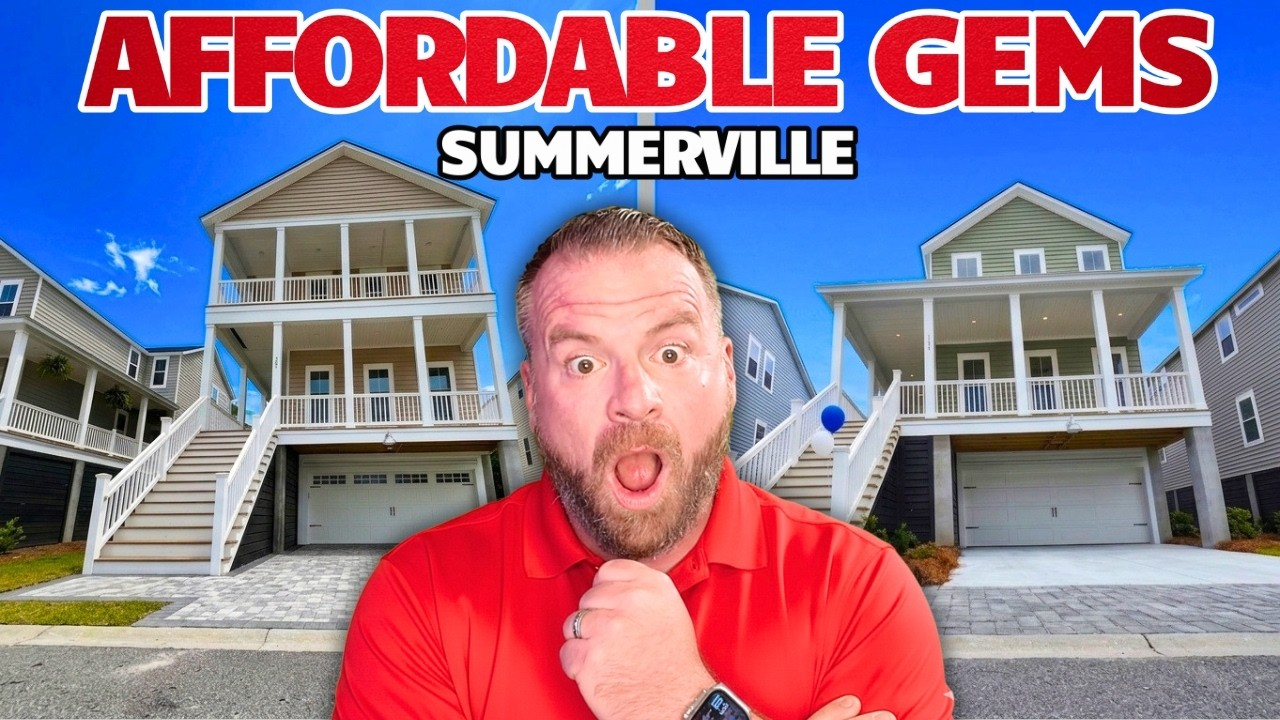
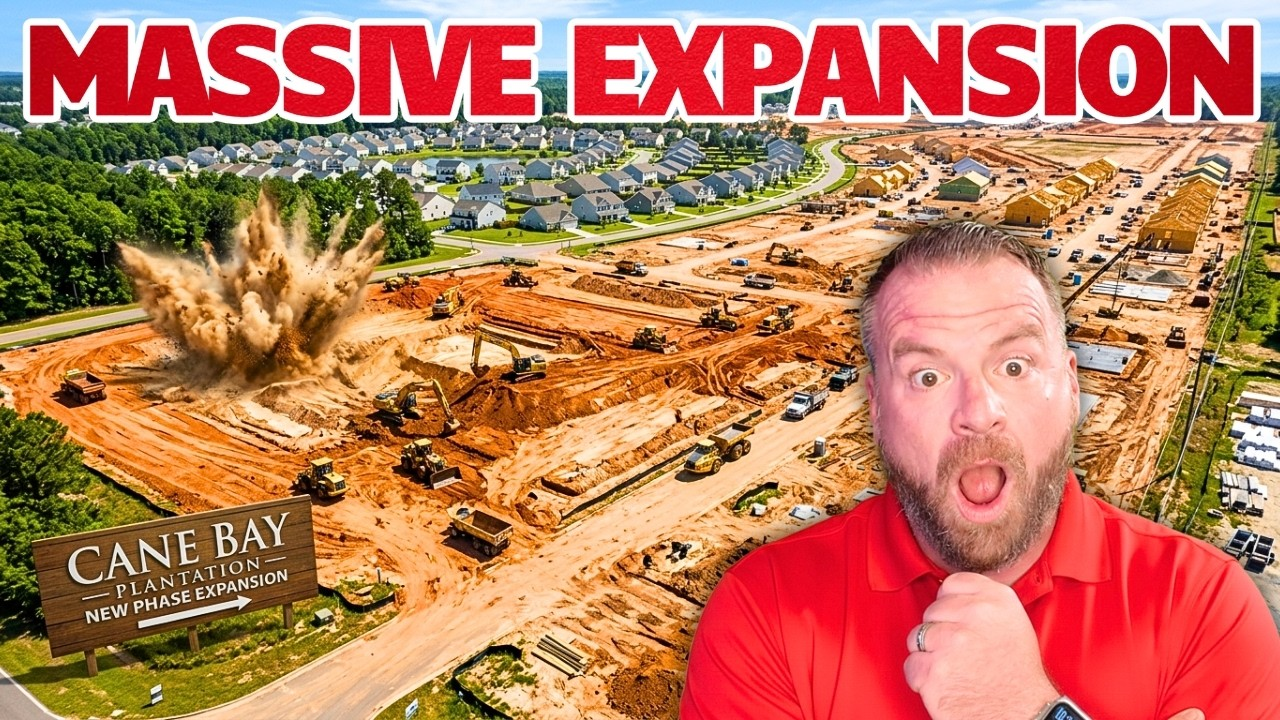
Many master-planned communities offer pools, gyms, farmer’s markets, food truck nights, and community farms. Examples include Nexton’s Midtown Club, Carnes Crossroads with its multiple pools and an 11-acre agricultural area, and Cane Bay’s neighborhood amenity centers. These amenities foster community and make everyday life convenient.
Resident Frustrations in Summerville, SC
Unpredictable traffic patterns and poor driving etiquette
The biggest everyday annoyance is unpredictable traffic. One day commutes are smooth, the next you’re stuck for an hour because of a minor accident. Another big issue is poor driving etiquette: people on phones, failure to merge properly, and drivers who haven’t updated their registration cause frustration and sometimes dangerous situations.
Newcomers who don’t adapt to local culture
Summerville’s culture is laidback and polite. New residents who bring a hostile or abrasive attitude often clash with long-time locals. The simplest recommendation: be thoughtful, be polite, and learn to enjoy the slower, friendly pace. Adaptation goes a long way toward making the town a better place for everyone.
How to Decide if Summerville, SC Is Right for You
Use this quick checklist to make a practical decision:
- Commute tolerance: Are you willing to trade commute time for bigger homes and lower housing costs?
- Flood comfort level: Will you accept potential flood insurance premiums or pursue a property clearly outside higher-risk zones?
- Design priorities: Do you want a unique older home, or are you comfortable with new-construction sameness and later upgrades?
- Community fit: Do you value Southern hospitality and tight-knit neighborhoods, or prefer a more anonymous urban vibe?
- Market readiness: Are you prepared to act quickly in a competitive market and back offers with strong comps?
If most of your answers lean toward accepting the trade-offs—commute time for affordability, some crowded weekends for a quieter weekday life—then Summerville is likely a good match. If flood risk, commute variability, or cookie-cutter developments are deal breakers, you may want to expand your search or target older neighborhoods with more character.
Neighborhoods to consider if you want less cookie-cutter character: Ashborough and Iron Gate offer older, one-off homes with more architectural variety. For master-planned amenities, look at Nexton, Carnes Crossroads, and Cane Bay.
THINKING OF RELOCATING TO SUMMERVILLE SC? LET US GUIDE YOU!
FAQs About Living in Summerville, SC
Is Summerville a good place to raise a family?
Yes. Summerville offers strong schools in many neighborhoods, plenty of parks and family events, and a low-key, community-minded lifestyle that appeals to young families. School quality varies by zone, so research the specific schools for the neighborhood you are considering.
How long is the commute to downtown Charleston?
Typical drive times are around 30 minutes in light traffic, but expect 45– 90 minutes during rush hour or when incidents on I-26 occur. Living closer to the interstate reduces drive time but raises housing costs.
Do I need flood insurance in Summerville?
It depends on the property’s flood zone. Some neighborhoods require it and premiums can be $1,000–$2,000 per year in higher-risk areas. Other properties in flood zone X may have much lower premiums—sometimes a few hundred dollars a year. Always check FEMA maps and talk to an insurance agent for accurate quotes.
Are there unique neighborhoods with older homes?
Yes. Older pockets such as Ashborough and Iron Gate have homes with more character and individuality, though they may come at a premium compared to cookie-cutter new construction.
What are the best master-planned communities?
Nexton, Carnes Crossroads, and Cane Bay are among the most popular. They offer a range of amenities—pools, gyms, farmer’s markets, event nights, and in some cases community farms or multiple amenity centers across subsections.
How competitive is the housing market?
Very competitive, particularly under $400k. With high migration into the region, buyers should be prepared to move quickly, present strong offers, and use a local expert who knows how to negotiate with data-based comps.
How can I avoid problems with traffic etiquette?
Drive defensively, avoid peak commute windows when possible, and be patient at zipper merges—allow people in. If you must commute during rush hour, living closer to I-26 reduces risk of long bottlenecks but increases cost.
Parting Thought: Should You Move to Summerville, SC?
Summerville delivers a compelling blend of affordability, family-friendly living, and proximity to Charleston and the coast. The trade-offs are real: traffic, rapid growth, pockets of flood risk, and a sometimes cookie-cutter housing supply. For many families, the benefits outweigh the downsides. Decide what you can tolerate, target neighborhoods that match your priorities, and be prepared to act decisively in a competitive market.
If you want a closer look at neighborhoods or need a practical road map to buying in the area, get the local perspective that helps you avoid pitfalls and find the right fit for your lifestyle.
Call or text Ryan at (843) 226-5535 to schedule a personalized neighborhood tour and get a practical buying roadmap.
READ MORE: Cane Bay Plantation, Summerville SC: Neighborhoods, HOA Fees, Schools & Golf-Cart Living